Bilingual Worship Service
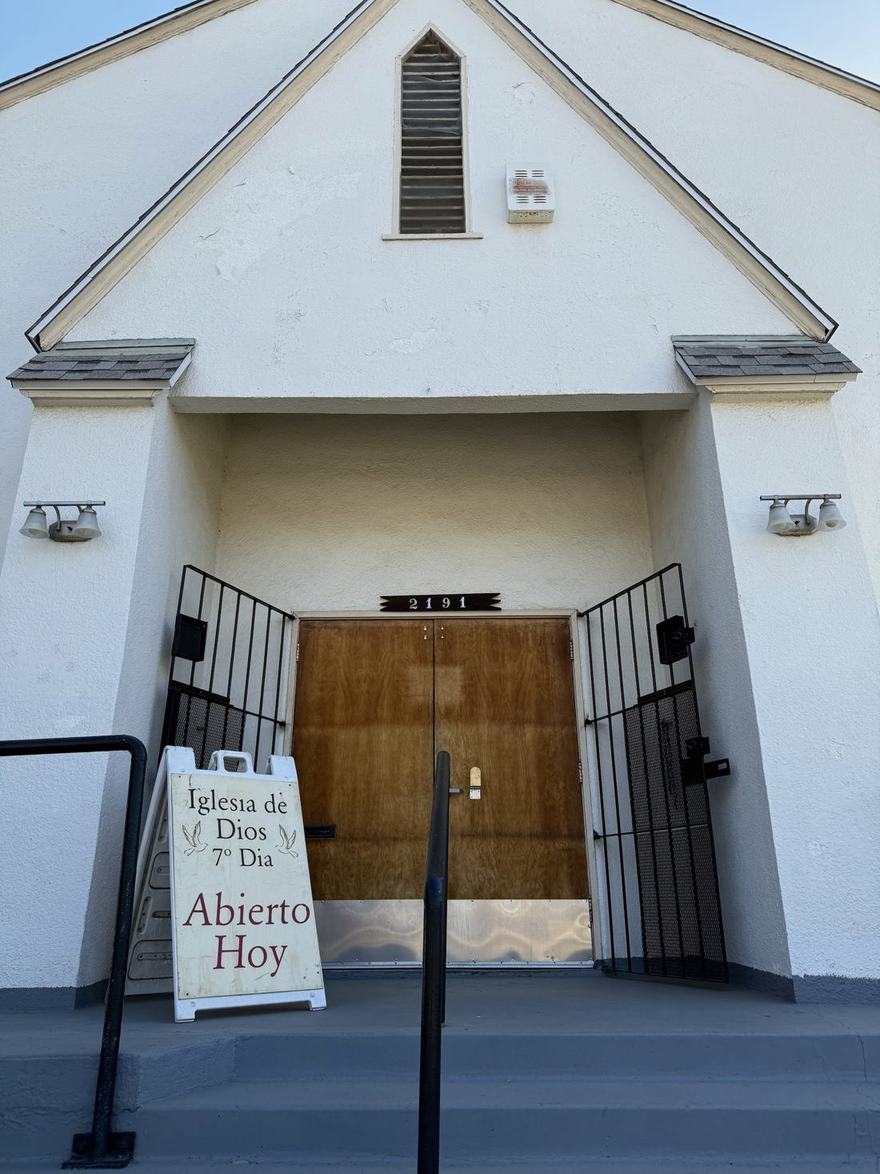
The church gathers for worship, both in English and in Spanish. We share in songs of praise and in prayer, with a message rooted in the Word of God.


Therefore, a sabbath rest remains for the people of God.— Hebrews 4:9 NABRE
We are a community rooted in Scripture, committed to the faith of the blessed and holy apostles of Christ, who, with the Father, is the center and inspiration of our assemblies. As God rested on the seventh day, we rest in His name in remembrance of creation and in the hopeful awaiting of the new age to come.
We invite you to gather with us.
Scripture, the writings inspired by the breath of God through the prophets and apostles, is foundational to our faith. We aim to understand and teach the word of our Creator.
We honor the Sabbath as a sacred gift, an act of grace from our God — a weekly rhythm of stillness, worship, and remembrance of the Creator and His works.
We are a family of believers from Fresno and its surrounding cities, walking together in love, service, and prayer.
Explore messages rooted in Scripture. Watch and listen on our YouTube channel.
Watch on YouTubeThe church gathers for worship, both in English and in Spanish. We share in songs of praise and in prayer, with a message rooted in the Word of God.
In the second service, we gather for the Spanish Sabbath School, Escuela Sabática, where together we meet in songs of worship, in study, and in prayer.
See photos, announcements and news from our church.
The Church of God (Seventh Day) endeavors to carry out the Great Commission by discipling people to the Lord Jesus Christ through evangelism and instruction from the Word of God. To assist the Church in this, the North American Ministerial Council, the Church’s ministerial body, has adopted the following twelve statements of belief to introduce the Church’s teaching and practice. While the Church has always maintained an open creed, these statements preserve our theological heritage and present our latest and best understanding of Scripture.
La Iglesia de Dios (Séptimo Día) se esfuerza por cumplir la Gran Comisión discipulando a las personas para el Señor Jesucristo a través de la evangelización y la instrucción basada en la Palabra de Dios. Para ayudar a la Iglesia en esta tarea, el Concilio Ministerial Norteamericano, el cuerpo ministerial de la Iglesia, ha adoptado las siguientes doce declaraciones de fe para presentar la enseñanza y la práctica de la Iglesia. Si bien la Iglesia siempre ha mantenido un credo abierto, estas declaraciones preservan nuestra herencia teológica y presentan nuestra comprensión más reciente y completa de las Escrituras.
Our Fresno congregation is part of the General Conference of the Church of God (Seventh Day). The statements below are the Church’s doctrine, as published on its website. For further information, visit cog7.org.
Read more at cog7.org ↗The Bible, consisting of the Old and New Testaments, is God’s inspired Word. Inerrant in its original writing, the Bible is the only authoritative and infallible rule of faith and conduct for humanity.
The sovereign deity of the universe is God Almighty, who is to be worshipped in spirit and in truth. He is eternal, infinite, holy, self-existent Spirit who created, sustains, rules, redeems, and judges His creation. He is one in nature, essence, and being. God is revealed in Scripture as Father and Son.
God the Father of whom are all things, whom no one has seen nor can see, reigns in the heavens and transcends our complete knowing. He is revealed as our loving heavenly Father by His Son, the Lord Jesus Christ. Ultimately, God the Father will restore perfect harmony to all creation through Christ and reign eternally over the redeemed.
Jesus Christ is God’s one and only begotten Son. As begotten, not created, He shares the nature, names, and attributes of God with the Father. As Son, not Father, Jesus is subordinate to His Father in rank. From eternity, the Son was with the Father, shared the Father’s glory as the pre-incarnate Word, and with Him created and sustains all things. Jesus the Christ (Messiah) was born of the virgin Mary by the power of the Holy Spirit, thus uniting two natures — human and divine. Jesus lived without sin, died as an atoning sacrifice for sin, was entombed for three days and three nights, was resurrected bodily, and ascended to His Father to serve as mediator and high priest. He reigns as Lord in heaven and will return to earth as judge and king. Now it pleases the Father that the Son is preeminent in all things and receives our worship.
The Holy Spirit is the promised divine helper who proceeds from the Father and Son. The Spirit is God’s presence and power in the world and indwells believers. By the Holy Spirit, God inspired and illuminates the Scriptures; convicts and regenerates sinners; sanctifies, teaches, comforts, guides, and preserves believers; and empowers them for service. Evidences of the Holy Spirit in the believer’s life are faith in Christ, obedience to God, and the spiritual fruit of love.
Humanity was created in the image of God: sinless, though not naturally immortal. Through Adam and Eve’s disobedience, all human beings became sinners by nature and by choice. The penalty for our sin is alienation from God, physical death (without consciousness), and, ultimately, eternal death for those who do not receive the salvation offered by Christ. It was Satan, the adversary of God, who tempted our first parents in the garden. The Devil is still capable of transforming himself into an angel of light but will finally be destroyed in the lake of fire.
Sinful humanity may be saved from the penalty of eternal death and receive eternal life instead, solely by the grace of God through faith in Jesus Christ, apart from human merit, works, or ceremonies. Atonement for sins, with its attendant promise of eternal life, comes through Christ’s death and resurrection on our behalf and is received in human experience by faith and repentance.
The church of God in Scripture is a spiritual body of believers who hold the faith of Jesus and keep the commandments of God. Under the lordship of Christ and the authority of His Word, the church exists universally and locally for purposes of worshipping God, preaching the gospel, nurturing believers, and serving humanity. Christians should participate in the church’s mission by service to others and fellowship with believers.
Christ prescribed two ordinances that confirm faith in Him:
The Ten Commandments were known and obeyed by faithful people before the law was given at Sinai. Later incorporated into the new covenant by the example and teaching of Christ, they constitute the basic moral code for humanity and are obeyed to demonstrate the believer’s love for God and his fellowman.
The seventh-day Sabbath is God’s gift to humanity from creation, was written into the Ten Commandments by God’s finger, kept and taught by Jesus, and observed by the apostolic church. A memorial of both creation and redemption, the Sabbath should be faithfully celebrated by believers now as a day of rest, worship, and well-doing.
Marriage is an institution of God and is an exclusive lifetime union between one man and one woman for the purpose of perpetuating humanity and enriching human experience. Reflecting the bond between Christ and His church, marriage may be broken only by sexual immorality. Like the Sabbath, marriage dates to Creation week, is intrinsic to the moral law, is reformed in Christ’s teachings, and finds its ultimate meaning at His return.
Christians are called to holiness in thought, word, and deed and to express faith in Christ through devotion to God and godly interaction with others. As a result — not a cause — of redemption, believers should
Bible prophecy preserves and strengthens a believer’s hope for the Second Advent. It identifies religious, social, and political trends and events, including the rebirth of the nation of Israel, which point to the imminent return of Christ and the eventual establishment of God’s eternal kingdom on earth.
The kingdom of God (kingdom of heaven) is realized in three phases:
The spiritual kingdom of grace exists now as God rules in the lives of obedient believers. This kingdom was announced and revealed through the prophets and the ministry of our Lord Jesus Christ. We enter this kingdom when we turn from sin to serve God through faith in Jesus Christ.
Jesus will return to earth in power and glory to resurrect the righteous dead, bestow immortality and eternal life upon the resurrected and the living righteous, avenge the saints, and be glorified in them. His earthly reign of one thousand years will be a universal kingdom in which all principalities, powers, and enemies are overcome. At its conclusion, the unrighteous will be resurrected to suffer annihilation at the great white throne judgment.
God’s eternal kingdom will begin when Jesus Christ, having put all enemies under His feet, turns the kingdom over to the Father. God will dwell with the redeemed in a new heaven and a new earth where no disappointment, defilement, or death can enter and where righteousness and peace will prevail forever.
La Biblia, compuesta por el Antiguo y el Nuevo Testamento, es la Palabra inspirada de Dios. Infalible en su escritura original, la Biblia es la única regla autoritativa e infalible de fe y conducta para la humanidad.
La deidad soberana del universo es Dios Todopoderoso, a quien se debe adorar en espíritu y en verdad. Él es un Espíritu eterno, infinito, santo y autoexistente que creó, sustenta, gobierna, redime y juzga Su creación. Es uno en naturaleza, esencia y ser. Dios se revela en las Escrituras como Padre e Hijo.
Dios el Padre, de quien proceden todas las cosas, a quien nadie ha visto ni puede ver, reina en los cielos y trasciende nuestro conocimiento completo. Se revela como nuestro amoroso Padre celestial a través de Su Hijo, el Señor Jesucristo. En última instancia, Dios el Padre restaurará la armonía perfecta a toda la creación a través de Cristo y reinará eternamente sobre los redimidos.
Cristo Jesús es el hijo unigénito de Dios. Siendo unigénito, no creado, Él comparte la naturaleza, nombre, y atributos de Dios con el Padre. Como Hijo, no Padre, Jesús es subordinado de Su Padre en rango. Desde la eternidad, el Hijo estaba con el Padre, compartía la gloria del Padre como la palabra pre encarnada, y con Él creó y sustenta la creación.
Jesús, el Cristo (Mesías), fue nacido de la virgen María por el poder del Espíritu Santo, uniendo dos naturalezas – humana y divina. Jesús vivió sin pecado, murió como sacrificio por nuestros pecados, fue enterrado por tres días y tres noches, resucitó, y ascendió a Su Padre para servir como mediador y Sumo Sacerdote. Él reina como Señor en los cielos y regresará a la tierra como juez y rey. Se complace al Padre, que el Hijo es preeminente en todas las cosas y recibe nuestra alabanza.
El Espíritu Santo es el ayudante divino prometido que procede del Padre y del Hijo. El Espíritu es la presencia y poder de Dios en el mundo y que habita en sus creyentes. Por medio del Espíritu Santo, Dios inspiró e iluminó las Escrituras; declara culpable y restaura pecadores; santifica, enseña, consuela, guía, y preserva a los creyentes; y los equipa para servir.
La evidencia del Espíritu Santo en la vida del creyente son la fe en Cristo, la obediencia a Dios, y el fruto espiritual del amor.
La humanidad fue creada a imagen de Dios: sin pecado, aunque no naturalmente inmortal. A través de la desobediencia de Adán y Eva, todos los seres humanos se convirtieron en pecadores por naturaleza y por elección. El castigo por nuestro pecado es la alienación de Dios, la muerte física (sin conciencia) y, en última instancia, la muerte eterna para aquellos que no reciben la salvación ofrecida por Cristo. Fue Satanás, el adversario de Dios, quien tentó a nuestros primeros padres en el jardín. El Diablo todavía es capaz de transformarse en un ángel de luz, pero finalmente será destruido en el lago de fuego.
La humanidad pecadora puede ser salvada del castigo de la muerte eterna y recibir la vida eterna, únicamente por la gracia de Dios, mediante la fe en Jesucristo, independientemente de los méritos, las obras o las ceremonias humanas. La expiación de los pecados, con su consiguiente promesa de vida eterna, se obtiene a través de la muerte y resurrección de Cristo en nuestro favor y se recibe en la experiencia humana mediante la fe y el arrepentimiento.
La iglesia de Dios en las Escrituras es un cuerpo espiritual de creyentes que profesan la fe de Jesús y guardan los mandamientos de Dios. Bajo el señorío de Cristo y la autoridad de Su Palabra, la iglesia existe universal y localmente con el propósito de adorar a Dios, predicar el evangelio, nutrir a los creyentes y servir a la humanidad. Los cristianos deben participar en la misión de la iglesia sirviendo a los demás y compartiendo la comunión con otros creyentes.
Cristo instituyó dos ordenanzas que confirman la fe en Él:
Los Diez Mandamientos eran conocidos y obedecidos por las personas fieles antes de que la ley fuera dada en el Sinaí. Posteriormente incorporados al nuevo pacto por el ejemplo y la enseñanza de Cristo, constituyen el código moral básico para la humanidad y se obedecen para demostrar el amor del creyente por Dios y por su prójimo.
El sábado, el séptimo día, es un regalo de Dios a la humanidad desde la creación, fue escrito en los Diez Mandamientos por el dedo de Dios, fue guardado y enseñado por Jesús, y observado por la iglesia apostólica. Como conmemoración tanto de la creación como de la redención, el sábado debe ser celebrado fielmente por los creyentes como un día de descanso, adoración y buenas obras.
El matrimonio es una institución de Dios y es una unión exclusiva de por vida entre un hombre y una mujer con el propósito de perpetuar la humanidad y enriquecer la experiencia humana. Reflejando el vínculo entre Cristo y Su iglesia, el matrimonio solo puede romperse por inmoralidad sexual. Al igual que el sábado, el matrimonio se remonta a la semana de la Creación, es intrínseco a la ley moral, se reforma en las enseñanzas de Cristo y encuentra su significado último en Su regreso.
Los cristianos están llamados a la santidad en pensamiento, palabra y obra, y a expresar la fe en Cristo a través de la devoción a Dios y la interacción piadosa con los demás. Como resultado —no como causa— de la redención, los creyentes deben:
La profecía bíblica preserva y fortalece la esperanza del creyente en la Segunda Venida. Identifica tendencias y acontecimientos religiosos, sociales y políticos, incluyendo el renacimiento de la nación de Israel, que señalan el inminente regreso de Cristo y el eventual establecimiento del reino eterno de Dios en la tierra.
El reino de Dios (reino de los cielos) se realiza en tres fases:
El reino espiritual de la gracia existe ahora, ya que Dios gobierna en la vida de los creyentes obedientes. Este reino fue anunciado y revelado a través de los profetas y el ministerio de nuestro Señor Jesucristo. Entramos en este reino cuando nos apartamos del pecado para servir a Dios mediante la fe en Jesucristo.
Jesús regresará a la tierra con gran poder y gloria para resucitar a los santos, dar inmortalidad y vida eterna a los resucitados y los vivos, vengar a los santos y será glorificado a través de ellos. Su reino terrenal de mil años será un reino universal en el cual todos los principados, potestades, y enemigos serán vencidos. Al terminar ese tiempo, los injustos serán resucitados para ser asolados ante el gran trono blanco de justicia.
El reino eterno de Dios empezará cuando Cristo Jesús, después de vencer a sus enemigos, ceda el reino al Padre. Dios habitará con los redimidos en un nuevo cielo y una nueva tierra donde no habrá ni entrará decepción, deshonra, o muerte y donde los justos y la paz prevalecerán para siempre.
Source: cog7.org/what-we-believe
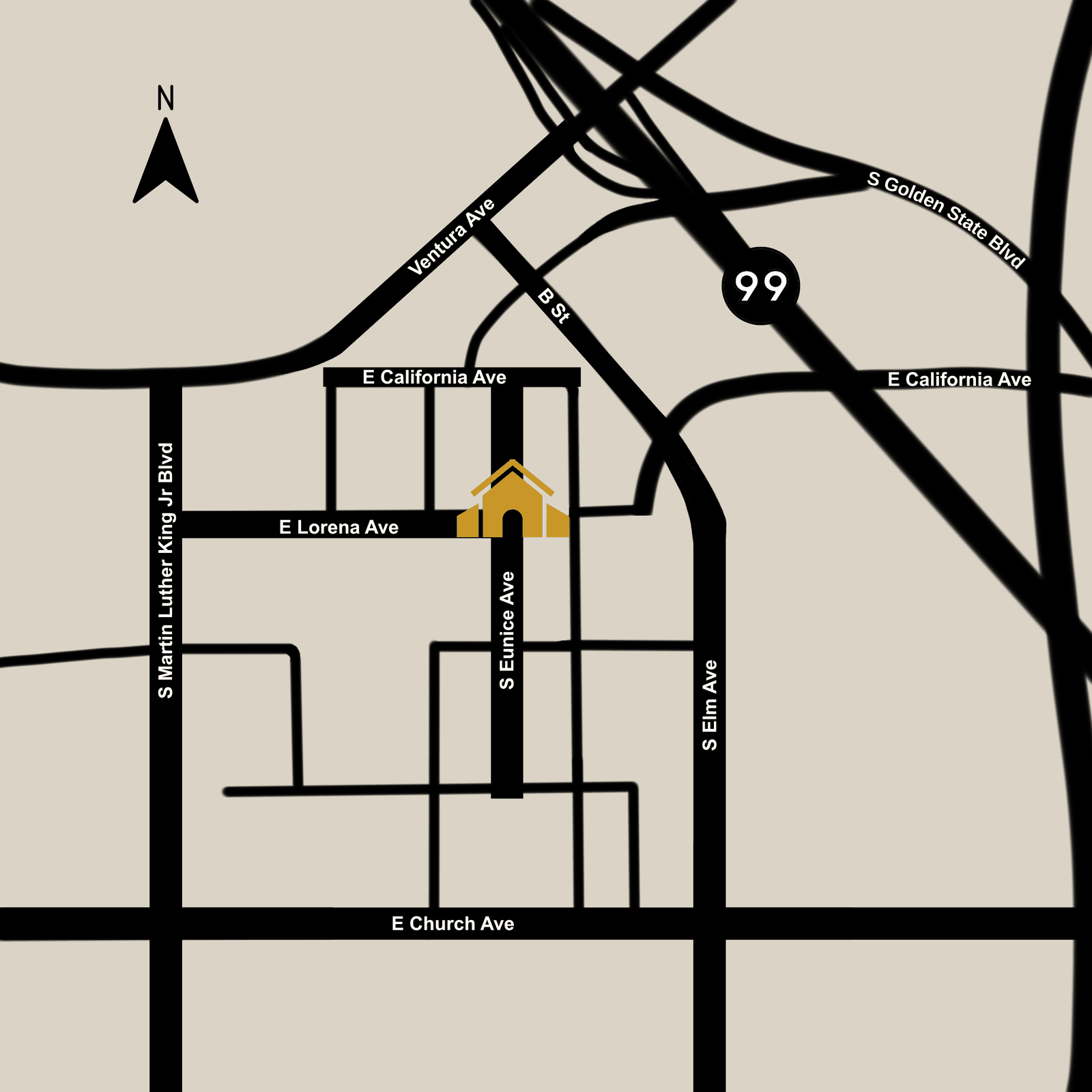
Download our flyer in English or Spanish to print or send to someone. It has our Saturday service times and address.